June 29 & June 30, 2022
June 29, 2022
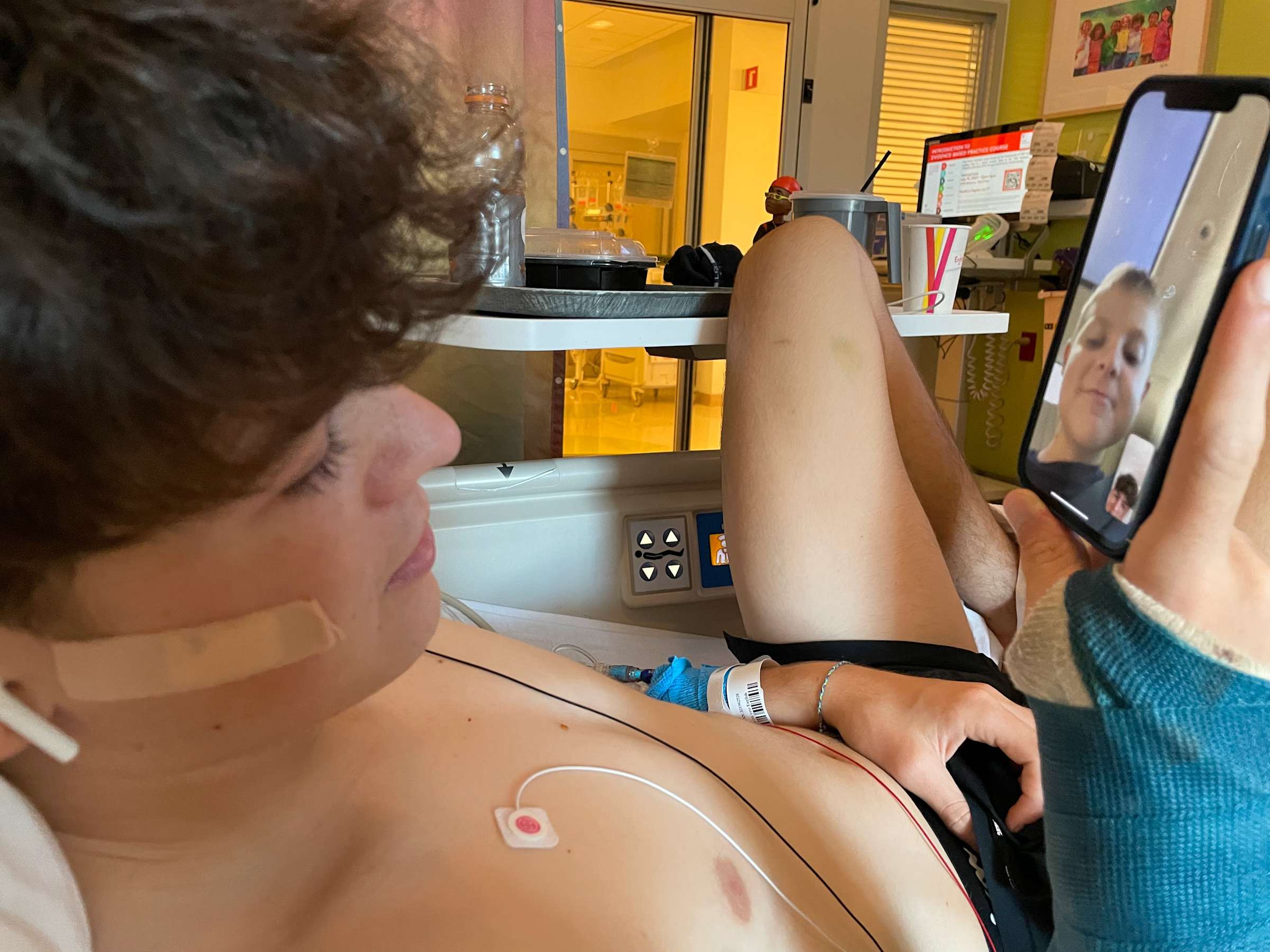
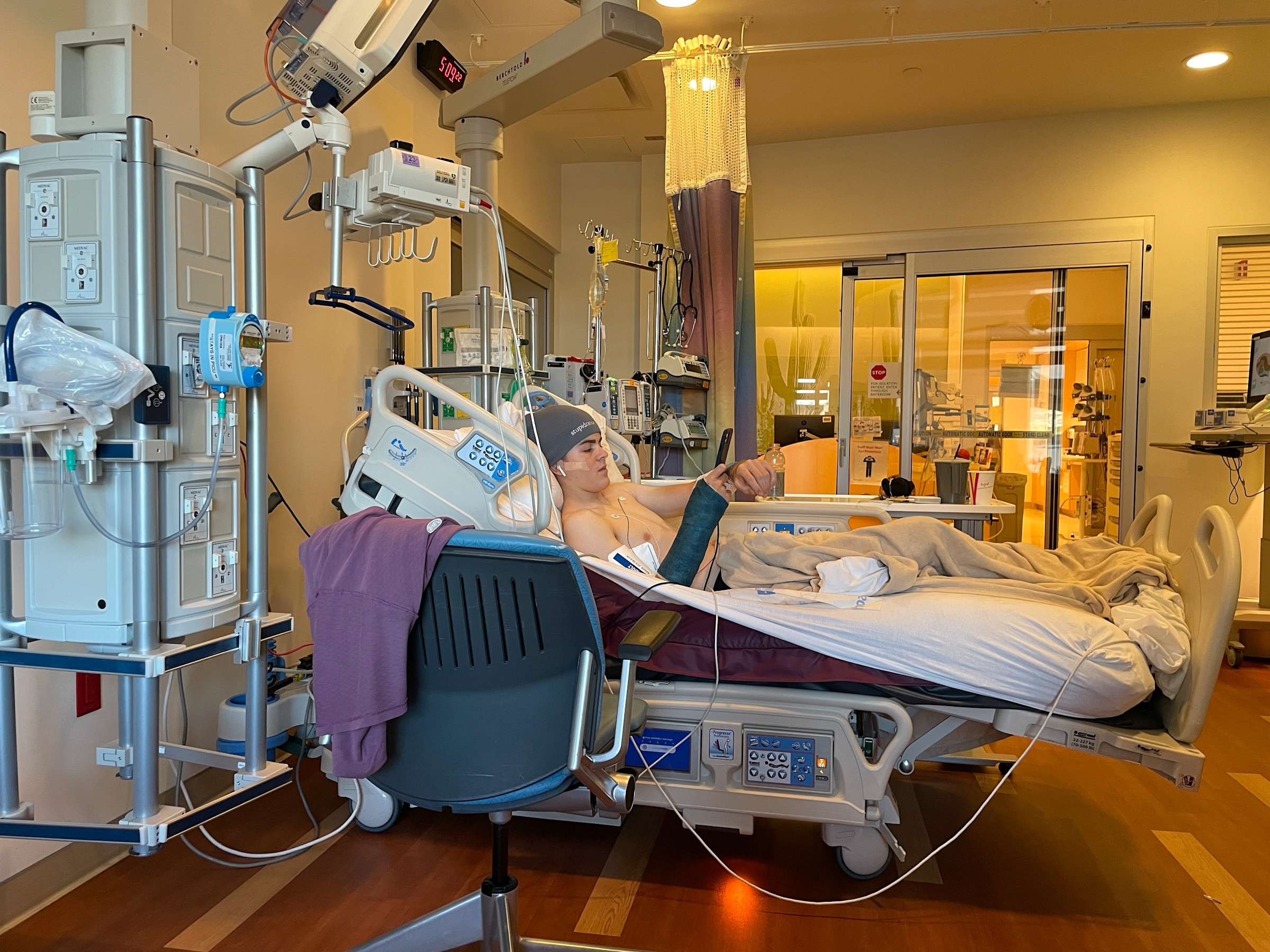
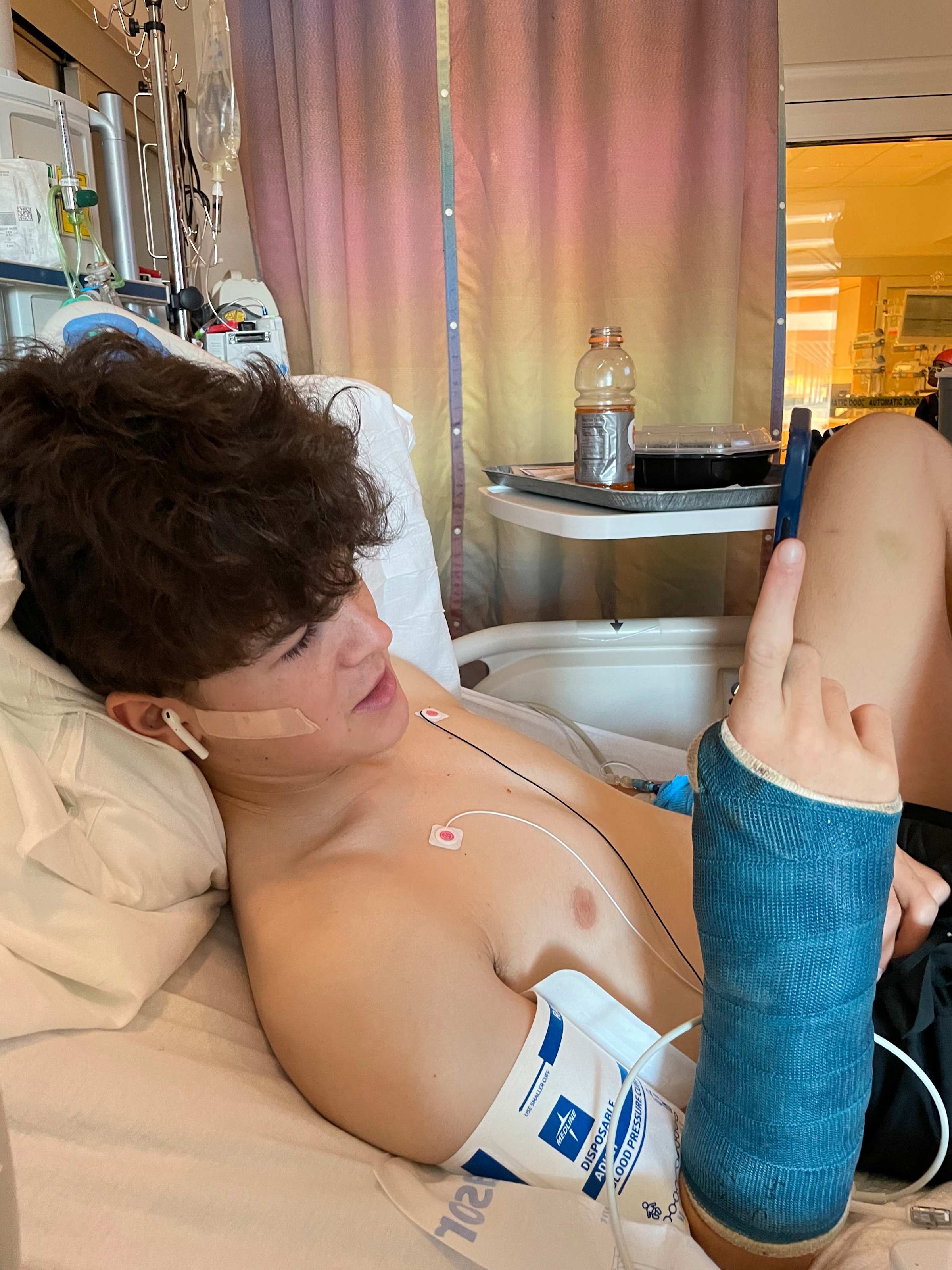
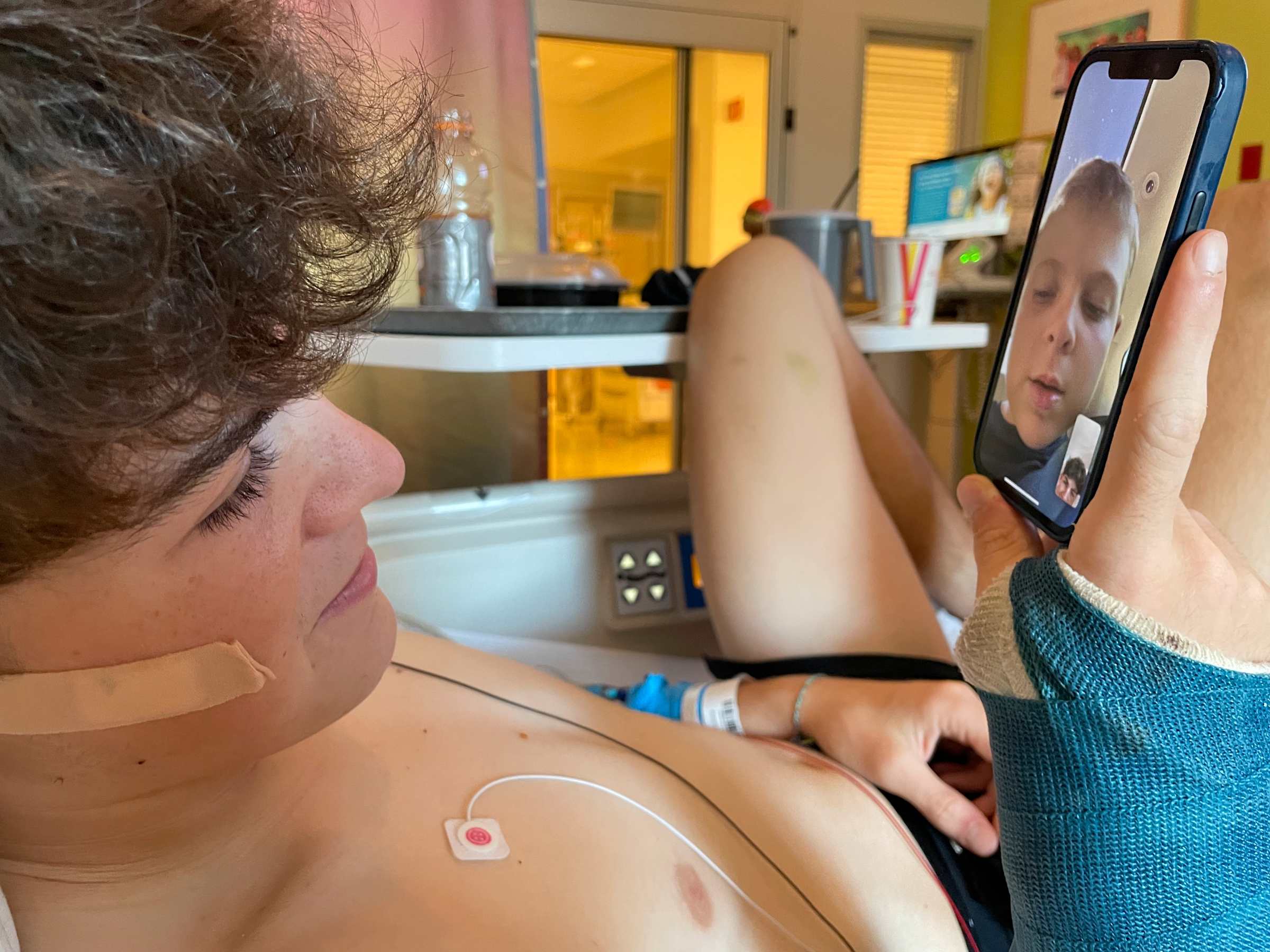
Sam was admitted to the PICU (Pediatric ICU) in the wee hours of Wednesday June 29, room 3242. He hadn’t had anything to eat since Tuesday afternoon and the grill was still open at 3:30 am so he texted me his order of chicken tenders and French fries, plus extra ranch dressing 🙂. I took it as a good sign that they have Oikos yogurt too as John has been eating that routinely at home and not all grocery stores carry it.
There’s a lot of activity in the PICU. Sam has 2 nurses assigned to him at all times and has his own room. The rooms also have a pull out couch/bed and a reclining chair. He’s getting blood drawn every 4-6 hours so it’s pretty busy.
I’m glad we signed up Zack for a repeat of the camp he was attending when he got Covid as that will help him adjust to this new journey. For now, we will tell him that Sam needs some medicine that only the hospital can give so he is going to stay here for a few days.
When John asked Zack (Wednesday morning when he woke up) who he wanted to be here at home with him he said “You dad so mom won’t leave Sam alone.” ❤️
Chemo Day 1.
Sam started chemotherapy on June 30th. He is participating in a clinical trial called Total 17. Stanford partners with St. Jude’s in Memphis to use the protocols they’ve developed for ALL. There are only 400 cases of ALL in ages 15-19 in the US per year so it makes sense to gather patients from across the US (and the world too — Total17 has a participating hospital in Australia and 1 in China too, I think, as well as Detroit, North Carolina, Ft. Worth, Florida etc) make the N as big as they can so that the research has valid results. There will be a total of 1000 participants in Sam’s Total 17 study. Stanford will have 100 of them.
TOT17: Leukemia/Lymphoma Clinical Trial - St. Jude Children's Research Hospital
We’re learning a lot of new language:
Induction, Consolidation, Maintenance: the 3 stages of chemotherapy
”blasts”: Blast is a short name for an immature white blood cell, such as a lymphoblast or myeloblast. Normally, less than 5% of the cells in healthy bone marrow at any one time are blasts. While in the bone marrow, normal blasts develop into mature, functioning blood cells and are then released into the bloodstream. Therefore, in healthy people, blasts are not usually found in the bloodstream. Leukemic blasts remain immature, multiply continuously, provide no defense against infection, and may be present in large numbers in the blood and bone marrow (source: Alex’s Lemonade Stand, www.alexslemonade.org).
Interthecal: (IN-truh-THEE-kul) Describes the fluid-filled space between the thin layers of tissue that cover the brain and spinal cord. Drugs can be injected into the fluid or a sample of the fluid can be removed for testing.
Lumbar puncture: Sam had one when he was a newborn, it turns out. He has a “dimple” on his back where the end of his spine is so the NICU doctors were wondering if his spine was tethered . Now he gets 2 per week to check the spinal fluid for “blasts.” Lumbar puncture (LP), also known as a spinal tap, is a medical procedure in which a needle is inserted into the spinal canal, most commonly to collect cerebrospinal fluid (CSF) for diagnostic testing. For Sam, they also administer an interthecal dose of chemo when they do the LP because historically, ALL has “hidden out” in the CSF and has been the main reason for relapse. Since implementing the weekly LPs as a mainstay of treatment, the relapse rate has declined.
His LP showed a trace amount of leukemia cells but they think that the cells came from the needle pushing through the blood vessels to get to the spinal column. As a result, though, his spine will be monitored to make sure that no blast cells show up.
Sam volunteered to participate in the tissue bank too: he’s donating some of his bone marrow so they can study it and improve treatment for other patients. ❤️
80% of treatment/patients are participating in a clinical trial. The clinical trials us the “backbone” treatment that has been tested over many years and then adds on different chemotherapy pathways based on the subtype of ALL that the patient has.
3 comments